
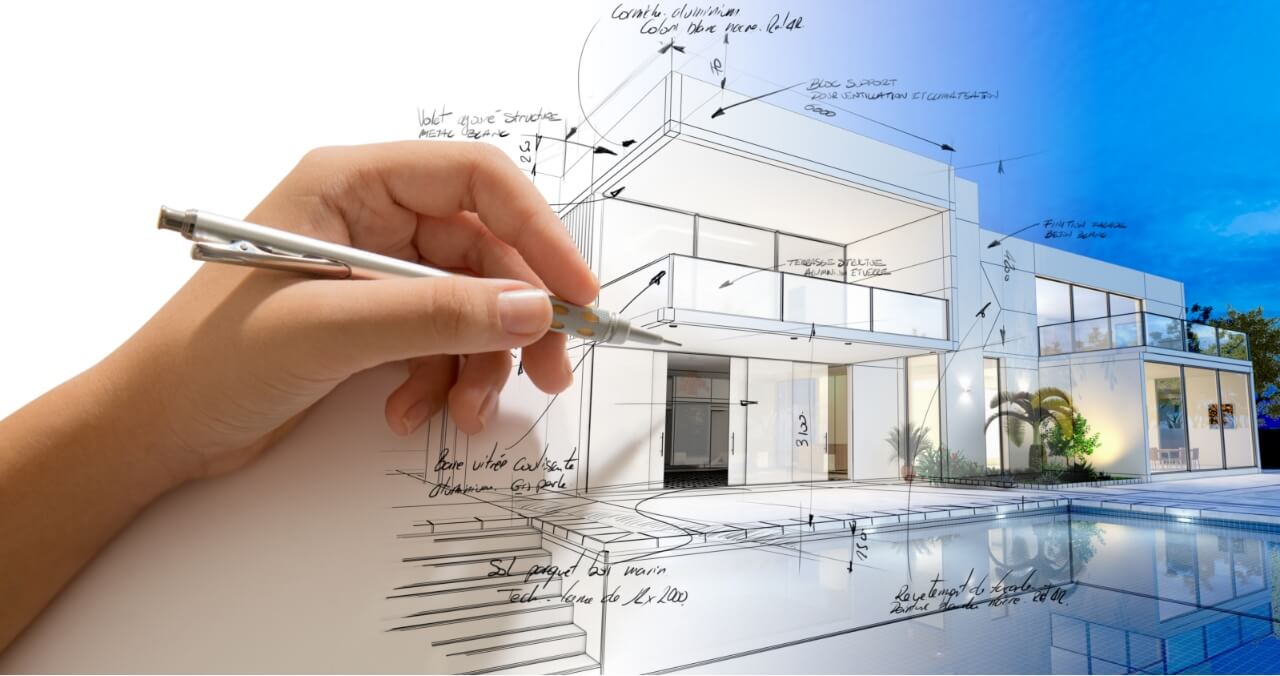
What mistakes to avoid when choosing a house plan
As a homeowner, it is common to make mistakes when selecting residential house plans. These can lead to increased costs, frustration, and dissatisfaction later on. Whether you build your dream home or undertake a renovation, you should be mindful of these common mistakes. Here, we will guide you through the mistakes you should avoid when choosing a house plan.
Overlooking the site’s specifics
When you select a house plan, it is essential to consider the specific features of your plot of land. Do not ignore the land’s size, shape, and topography, as they can impact the house design. If your plot has a slope or is an irregular shape, you may need a customized plan that takes these factors into account.
Consider natural features such as large trees, water sources, and the sun’s direction, as these can influence key design decisions. These include the windows, the layout of rooms, and outdoor space planning. If you ignore these elements, it could result in a house that does not make the most of the land available. It is always advisable to assess your site thoroughly and consult with professionals. They can help tailor the house plan to your specific land characteristics.
Ignoring future expansion needs
As a homeowner, you might want to design a home that matches your current needs. However, it is also crucial to consider how your needs might evolve over time. As your family grows or as you accumulate more belongings, you might find yourself needing extra space—from bedrooms to a home office. If you do not factor in potential future expansion, it can result in costly renovations later.
For example, you might build a compact, single-story house that meets your needs now, but as your family grows, the lack of space could become an issue. It is important to choose a plan that offers flexibility, such as a design that can accommodate future additions or a layout that does not require major alterations for expansion. When planning your home, consider future-proofing by selecting modern house floor plans that work today but also guarantee easy modifications later.
Underestimating the importance of flow and layout
The layout of your house plays an important role in its functionality. A common mistake you might make is to choose a plan based solely on aesthetics without considering how well the rooms flow together. A beautiful house with the latest design trends may look impressive on paper. However, if the layout does not facilitate easy movement and interaction between spaces, you might find yourself frustrated with the daily living experience.
For example, if the kitchen is too far from the dining room, or if the bedrooms are placed next to high-traffic areas, like the living room, it can disrupt your day-to-day activities. Flow is about how one room connects to another, how easily you can move from room to room, and how well the design supports the practical needs of everyday life. A house plan with a poorly thought-out layout can create unnecessary inefficiencies and discomfort. When you review potential plans, always consider how the layout will impact your daily routine.
Choosing style over functionality
Residential house plans that look stunning in a magazine may not always work well for you and your family in real life. For instance, large, open spaces may look appealing but could lack the intimacy or privacy needed in certain areas, such as the bedrooms or bathrooms.
While stylish designs are appealing, functionality must take priority. A home that suits your lifestyle will serve you better in the long run. For instance, you might want a spacious, light-filled living room, but if the space does not provide enough storage, or if it makes it difficult to fit furniture properly, the beauty of the design will quickly fade. Ensure the plan prioritizes your functional needs without sacrificing aesthetics.
Ignoring ventilation and natural light
Ventilation and natural light are two of the most overlooked elements in a house plan. However, they are crucial to creating a comfortable and healthy living environment. A home that does not have enough natural light can feel dark and gloomy, while a lack of ventilation can lead to poor indoor air quality and excess moisture in the air. Inadequate ventilation can result in mold and mildew buildup, which can damage the house and harm your health.
Natural light can make your home feel more spacious, airy, and welcoming. It can boost your mood and reduce the need for artificial lighting. When you select a house plan, ensure that it accounts for proper window placement, cross-ventilation, and the way natural light enters your rooms.
Neglecting storage space
Lack of storage in modern house floor plans is one of the most common issues for homeowners. You might easily overlook storage needs when selecting a house plan. It might seem like you have enough space now, but as time passes, the clutter begins to accumulate. Built-in storage helps keep your home organized and functional, from clothing to kitchen supplies.
A plan with insufficient storage can result in piles of clutter, constant disorganization, and a sense of chaos. When you choose a plan, make sure it includes enough closets, cabinets, and other storage spaces. Think about what you will need to store in each room—do not just focus on living areas, but also factor in things such as linen closets, pantry space, and garage or attic storage.
Overcomplicating the design
As a homeowner, it is important to remember that simple designs are often the most effective. Overcomplicating the design can lead to longer construction times, increased costs, and potential headaches with execution.
Intricate rooflines, unnecessary angles, or overly complex structures can raise your construction budget and delay your project. Instead, focus on a practical, straightforward design that is easier to build, maintain, and adapt if necessary. Simplicity in design does not mean sacrificing beauty—it means creating a home that is timeless and functional.
Our modern house floor plans are carefully crafted to meet individual needs and preferences. With our in-depth knowledge of the construction industry, we can help you overcome the complexities of choosing the perfect design.


